Adult Acne After 30: Hormones, Skin Care, Causes & Natural Treatment
Are you in your 30s or 40s and still struggling with acne? Adult acne is common, particularly among women, and it can develop even if you never experienced acne as a teenager. Although acne is often associated with adolescence, hormonal fluctuations, genetics, skin care products, stress, and certain medications can contribute to breakouts during adulthood. At The Hope Naturopathic Clinic, Dr. Nazish Jawad, ND, provides individualized naturopathic skin health consultations in Mississauga and Etobicoke, Ontario.
What Is Adult Acne?
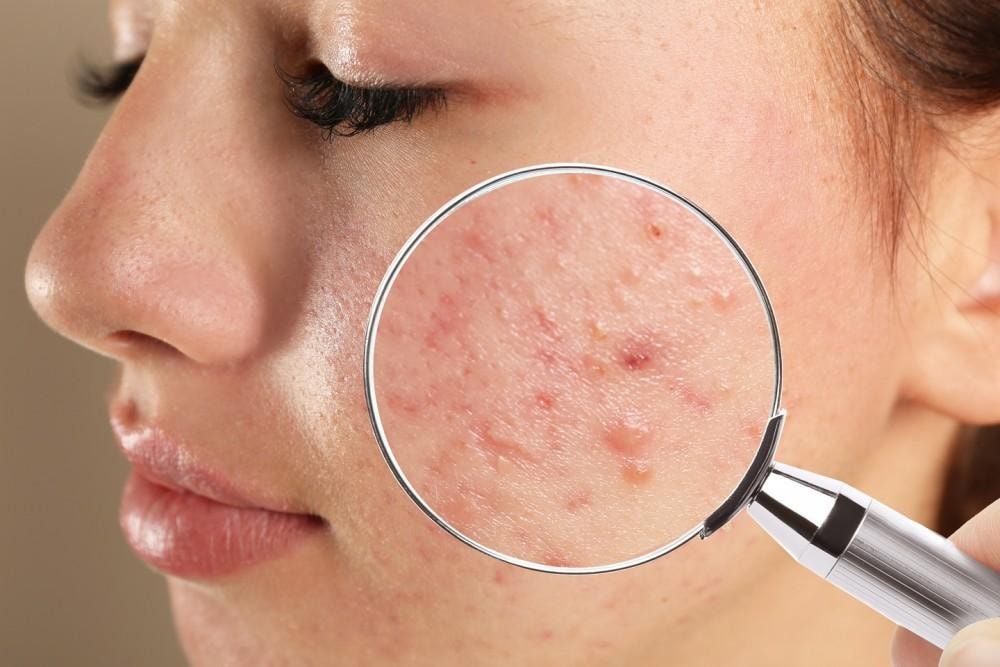
Adult acne refers to acne that persists beyond adolescence or develops during adulthood, often after age 25. Acne is an inflammatory skin condition involving hair follicles and sebaceous glands. It develops through several interacting processes: increased sebum (oil) production, blockage of hair follicles by skin cells, inflammation, and activity of Cutibacterium acnes, a bacterium normally found on the skin. Adult acne can affect the face, neck, chest, shoulders, back, and scalp.
Common types of adult acne include whiteheads (closed clogged pores appearing as small skin-coloured or white bumps), blackheads (open clogged pores that appear dark because of oxidation, not dirt), papules (small inflamed red or pink bumps), pustules (inflamed pimples containing visible pus), nodules (deep painful inflammatory lesions that can increase the risk of scarring), and cysts (deep inflamed lesions that may be painful and can lead to permanent scars). Adult acne may be mild, moderate, or severe, and treatment should be selected according to the type and severity of lesions.
Why Do Women Get Acne After 30?
Adult acne is multifactorial, meaning that several factors may contribute simultaneously. Hormonal changes are an important contributor in many adult women. Androgens, including testosterone, influence sebaceous gland activity and oil production. Even when androgen levels are within the normal range, some individuals may have increased sensitivity to these hormones. Hormonal acne often appears around the chin, jawline, lower cheeks, and neck, and breakouts may become more noticeable before menstruation. However, acne location alone cannot confirm that a hormonal imbalance is present.
PCOS is a hormonal and metabolic condition that may contribute to persistent acne. Women with PCOS may experience persistent acne, irregular or infrequent menstrual periods, excess facial or body hair, scalp hair thinning, difficulty with ovulation, and insulin resistance in some cases. Not every woman with adult acne has PCOS, but acne accompanied by irregular periods, increased facial hair, or scalp hair loss may warrant further assessment.
During perimenopause, estrogen and progesterone levels fluctuate, which can influence skin oil production, hydration, and sensitivity. Some women notice new or worsening acne during their 40s, even if their skin was previously clear. Perimenopausal skin changes may include acne breakouts, increased skin dryness, changes in skin texture, greater skin sensitivity, fine lines and wrinkles, and uneven pigmentation.
Stress does not directly cause every case of acne, but it can worsen breakouts in susceptible individuals through changes in inflammatory signaling, sleep, and skin care habits. Some individuals also touch or pick at their skin more frequently during stressful periods, which can increase inflammation, delay healing, and contribute to scarring or post-inflammatory pigmentation.
Certain cosmetic and skin care products may contribute to acne breakouts, including heavy facial oils, occlusive makeup products, some hair styling products, inadequate makeup removal, and products that irritate or damage the skin barrier. Products labelled non-comedogenic or oil-free may be better tolerated by acne-prone individuals, although these labels do not guarantee that a product will never cause breakouts.
Acne is not simply the result of dirty skin. Excessive washing, harsh scrubs, and frequent use of strong exfoliating products may irritate the skin, leading to redness, dryness, burning, increased sensitivity, and damage to the skin barrier. Gentle, consistent skin care is generally preferable to aggressive cleansing.
Research suggests that high-glycemic-load diets, which can cause larger increases in blood glucose and insulin, may worsen acne in susceptible people. Some studies have also identified an association between acne and milk consumption, particularly skim milk. However, the evidence is not strong enough to recommend eliminating dairy products for everyone with acne. Dietary recommendations should be individualized rather than unnecessarily restrictive.
Some medications can cause or worsen acne-like eruptions, including corticosteroids, testosterone or other androgenic medications, lithium, certain hormonal medications, and some high-dose vitamin supplements including vitamin B12 in susceptible individuals. If acne develops after starting a medication, discuss it with the prescribing healthcare professional. Genetic factors also influence acne susceptibility, including sebaceous gland activity, inflammatory responses, and the tendency to develop acne lesions.
Why Do You Get Acne on Your Chin and Jawline?
Chin and jawline acne is frequently associated with adult female acne. Hormonal fluctuations may influence these breakouts, particularly when lesions worsen before menstruation. However, other contributing factors may include occlusive cosmetics, friction from masks or clothing, skin irritation, genetic susceptibility, and certain medications. Persistent jawline acne, especially when accompanied by menstrual irregularities or excess facial hair, may warrant assessment for androgen-related conditions such as PCOS.
Can Nutritional Deficiencies Cause Adult Acne?
Nutritional status can influence general skin health, but most adult acne is not caused by a specific vitamin or mineral deficiency. Zinc is involved in immune function, wound healing, and inflammatory processes, and some studies suggest that zinc supplementation may improve acne in selected patients, though evidence is variable and excessive zinc intake can cause nausea and copper deficiency. Vitamin D plays a role in immune function and skin health, and some studies have found associations between low vitamin D levels and acne severity, but supplementation is not an established stand-alone acne treatment. Omega-3 fatty acids are involved in inflammatory regulation, and small studies suggest possible benefits for inflammatory acne, but larger trials are needed.
Taking multiple supplements without a clear indication is not necessary and may sometimes worsen skin problems. Supplement recommendations should be based on individual needs, clinical evidence, and safety considerations.
Naturopathic Treatment for Adult Acne After 30
At The Hope Naturopathic Clinic, naturopathic care focuses on identifying possible contributing factors and developing an individualized skin health plan. The goal is to support healthy skin, address relevant nutritional or hormonal concerns, and incorporate evidence-informed strategies alongside appropriate dermatological care.
An individualized consultation may include assessment of age at acne onset, location and severity of lesions, menstrual cycle patterns, premenstrual breakouts, signs of PCOS, current skin care products, diet and nutritional habits, sleep quality, stress levels, medication and supplement use, previous acne treatments, family history, and scarring or hyperpigmentation.
When acne is accompanied by signs of androgen excess, hormonal evaluation may be appropriate, potentially including total testosterone, free testosterone or calculated free androgen measures, DHEA-S, and other endocrine testing when indicated. Routine extensive hormone testing is not necessary for every patient with acne. Women with rapidly worsening acne, new excessive facial hair, voice changes, or other signs of significant androgen excess require prompt medical assessment.
A balanced dietary approach may support overall skin and metabolic health, including choosing minimally processed foods, including vegetables and fruits, consuming adequate protein, choosing high-fibre carbohydrates, reducing frequent high-glycemic-load foods, including sources of healthy fats, and maintaining adequate hydration. For selected individuals, reviewing milk intake or specific dietary triggers may be helpful, but restrictive diets should not be recommended without a clear reason.
A basic skin care routine may include a gentle cleanser, a suitable acne treatment if prescribed or recommended, a lightweight non-comedogenic moisturizer, and broad-spectrum sunscreen with SPF 30 or higher in the morning. In the evening: remove makeup and sunscreen, cleanse gently, apply the recommended acne treatment, and moisturize as needed. Avoid introducing multiple strong active ingredients at the same time, particularly if your skin is sensitive.
Several topical ingredients have evidence supporting their use in acne management. Salicylic acid helps exfoliate within pores and may be useful for blackheads and whiteheads. Benzoyl peroxide helps reduce acne-associated bacteria and inflammatory lesions but can cause dryness or irritation. Azelaic acid has anti-inflammatory and comedolytic properties and may help with mild-to-moderate acne and post-inflammatory hyperpigmentation. Topical retinoids such as adapalene help prevent clogged pores and are widely used in acne treatment, though they can cause initial dryness or irritation and should generally be avoided during pregnancy unless specifically advised by an appropriate medical professional.
After acne lesions heal, some individuals develop dark marks known as post-inflammatory hyperpigmentation (PIH). These marks are not the same as permanent acne scars. Supportive management may include consistent sun protection, avoiding picking or squeezing lesions, appropriate topical ingredients such as azelaic acid, and managing active acne to prevent new marks. Some pigmentation changes take several months to fade, and persistent scarring may require dermatological procedures.
Natural Remedies for Adult Acne: What Actually Works?
Many people search for natural acne treatments, including tea tree oil, herbal supplements, dietary changes, and homemade facial masks. However, natural does not always mean safe or effective. Limited clinical evidence suggests that appropriately formulated tea tree oil products may help mild acne, but tea tree oil can cause irritation or allergic contact dermatitis, and undiluted essential oils should not be applied directly to acne-prone skin. Topical green tea compounds have been studied for potential effects on sebum production and inflammation, but the evidence remains limited. Aloe vera may have soothing properties, but evidence for treating acne itself is insufficient.
Reducing high-glycemic-load foods may help some individuals, but dietary changes alone may not adequately control moderate or severe acne. Herbal products marketed for hormonal balance or acne have variable evidence and may interact with medications. They should not be assumed to be effective or safe simply because they are plant-based. For persistent acne, evidence-based topical treatments and appropriate medical assessment remain important.
Acne treatment requires consistency and patience. Many topical acne treatments require approximately 6 to 8 weeks before noticeable improvement occurs, and a fuller assessment of treatment response is often made after 8 to 12 weeks. Deep nodules, cystic acne, or acne causing scars should receive timely medical evaluation rather than prolonged trials of ineffective home remedies.
When Should You See a Healthcare Professional for Adult Acne?
Seek professional assessment if acne persists despite appropriate over-the-counter treatment, you develop painful nodules or cysts, acne is leaving scars, breakouts are affecting your confidence or emotional well-being, acne develops alongside irregular menstrual cycles, you experience excessive facial hair or scalp hair thinning, acne begins suddenly or becomes rapidly severe, or you have widespread pustules or scalp lesions that may represent folliculitis. Early treatment can reduce the risk of permanent scarring.
Frequently Asked Questions About Adult Acne and Natural Treatment
Why am I suddenly getting acne in my 30s?
Adult acne can develop because of hormonal fluctuations, genetics, skin care products, stress, medications, and other factors. New acne after 30 does not automatically indicate a hormonal disorder.
Is acne after 30 caused by hormonal imbalance?
Hormones can influence acne, but not every adult with acne has abnormal hormone levels. Some individuals have normal hormone levels but increased skin sensitivity to androgens.
Why do I get pimples on my chin and jawline?
Chin and jawline acne is common among adult women and may fluctuate with the menstrual cycle. However, acne location alone cannot confirm a hormonal cause.
Can PCOS cause adult acne?
Yes. PCOS may contribute to persistent acne through androgen-related effects on the skin. Acne accompanied by irregular periods, excess facial hair, or scalp hair thinning may warrant further evaluation.
Can perimenopause cause acne after 40?
Yes. Hormonal fluctuations during perimenopause may contribute to new or worsening acne. However, skin care products, medications, and other factors may also play a role.
Can stress make acne worse?
Yes. Stress may worsen acne in susceptible individuals through effects on inflammation, sleep, and skin-related behaviours. Stress management may provide supportive benefits.
Does eating sugar cause acne?
High-glycemic-load diets may worsen acne in some individuals. However, acne is multifactorial, and consuming sugar does not directly cause acne in everyone.
Does dairy cause hormonal acne?
Some observational studies have found associations between milk consumption and acne, particularly skim milk. However, this does not establish that dairy causes acne in every individual. Routine elimination of all dairy products is not necessary.
What vitamins are good for adult acne?
Zinc has some evidence supporting its use in selected acne patients. Other nutrients, including vitamin D and omega-3 fatty acids, have been studied, but evidence is less conclusive. Supplements should be chosen based on individual needs and safety.
Can probiotics help with acne?
The gut-skin relationship is an area of ongoing research. Some small studies have investigated probiotics for acne, but evidence is currently insufficient to recommend them as a standard acne treatment.
Is tea tree oil effective for acne?
Some evidence suggests properly formulated tea tree oil products may help mild acne. However, they can cause skin irritation and allergic reactions. Tea tree oil should not replace effective treatment for moderate or severe acne.
Can adult acne be treated naturally?
Lifestyle changes, appropriate skin care, and selected complementary approaches may help some individuals. However, natural remedies alone may not adequately control persistent, inflammatory, or scarring acne.
What is the best skin care routine for acne after 30?
A simple routine generally includes a gentle cleanser, non-comedogenic moisturizer, broad-spectrum sunscreen, and an appropriate acne treatment. The specific active ingredients should be selected according to skin type, acne severity, and individual tolerance.
How can I prevent acne scars and dark spots?
Early treatment of inflammatory acne, avoiding skin picking, and consistent sun protection can reduce the risk of post-inflammatory marks. Deep or scarring acne requires timely medical treatment.
Can a naturopathic doctor help with adult acne?
A naturopathic doctor can provide individualized assessment, nutritional guidance, lifestyle counselling, and supportive skin care recommendations. When indicated, hormonal concerns can be investigated and patients referred for appropriate dermatological or medical treatment.
Where can I get naturopathic acne treatment in Mississauga?
The Hope Naturopathic Clinic offers individualized skin health consultations with Dr. Nazish Jawad, ND, in Mississauga, Ontario. Consultations may include skin assessment, nutritional guidance, review of hormonal symptoms, and personalized supportive care.
Is naturopathic skin care available in Etobicoke?
Yes. The Hope Naturopathic Clinic also provides naturopathic consultations in Etobicoke, Ontario. Dr. Nazish Jawad, ND, offers individualized care for adult acne, hormonal skin concerns, and related nutritional or lifestyle factors.
Ready to Support Your Gut and Brain Health?
Book a complimentary 15-minute consultation with Dr. Nazish Jawad, ND to discuss your digestive health, mental well-being, or any concerns about the gut-brain connection — and discover a personalized naturopathic care plan.
Book an Appointment